
Viral Running Club in Bali Allegedly Rejects Local Residents: What Really Happened?

The issue of a Bali running club rejecting local residents has become a hot topic on social media. This issue emerged after a netizen's post discussed alleged rejection of local members.
This controversy has attracted the attention of runners, local residents, and foreign tourists. Many people are questioning the values of inclusivity within the sports community.
Chronology of the Bali Running Club Rejecting Local Residents
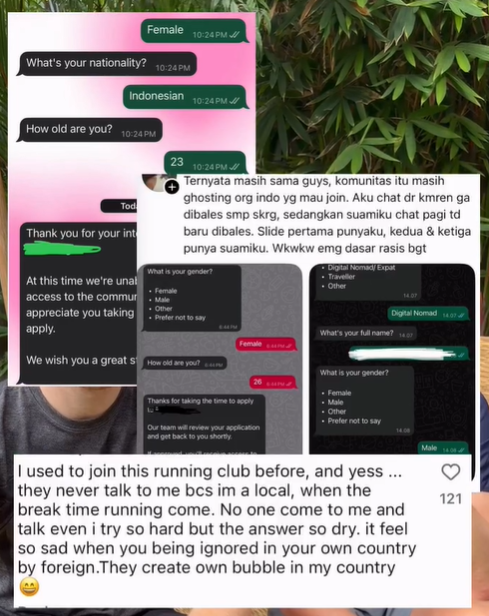
The issue began with a local resident's story about trying to register via WhatsApp. They claimed they were denied access to join the club.
Josh Berlari's name surfaced in public discussions. He highlighted the alleged pattern of rejection towards local residents through social media posts.
Running communities should create safe spaces, not build new barriers in public places.
The public then shared similar experiences in the comments section. Some mentioned that this was not an isolated incident.
However, the public needs to be cautious when reading viral information. So far, official clarification from the club has not been the primary reference.
Why Is This Case Sensitive for the Bali Running Community?

Bali has a unique social dynamic. Local residents live alongside tourists, foreign workers, and digital nomad communities.
When allegations of exclusivity arise, residents feel their social space is shrinking. Especially since running often takes place on public roads.
The case of the Bali running club rejecting local residents also touches on access issues. Ideally, sports communities should prioritize openness, safety, and respect.
| Aspect | Impact on Local Residents | Impact on Running Community |
|---|---|---|
| Joining Access | Feeling marginalized from social spaces | Community reputation declines |
| Communication Language | Information feels unwelcoming | Interactions become limited |
| Running Routes | Public space feels dominated by certain groups | Potential for friction increases |
Netizen Reactions and Spotlight from Content Creators
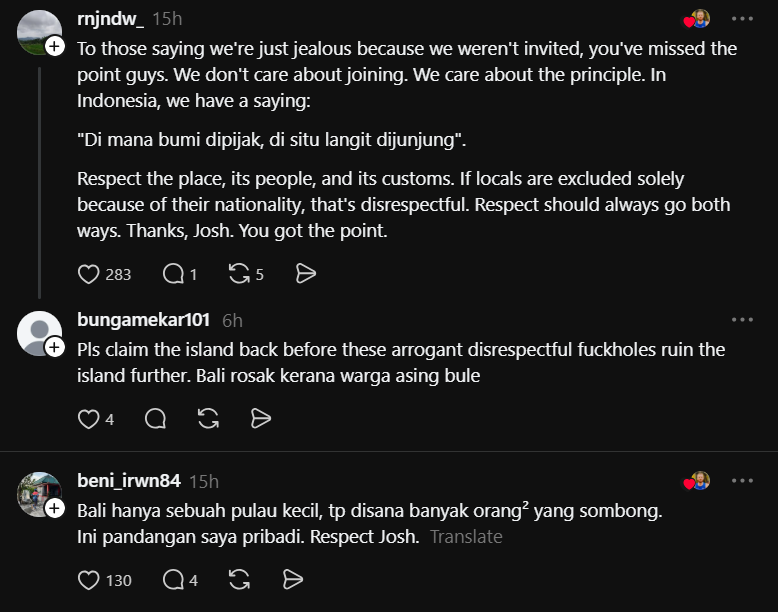
Netizens view this issue as more than just a registration problem. They see it as a symbol of inequality in tourist areas.
Some foreign runners also lament the allegations. They believe a healthy community should embrace local residents.
One source of public conversation can be seen through Josh Berlari's post on Threads. That post sparked widespread discussion about the ethics of running communities.
- Local netizens call for transparency in registration rules.
- Beginner runners hope all clubs will be more welcoming.
- Tourists believe collaboration is better than exclusivity.
- Sports communities need to create a shared code of ethics.
What Can Bali Running Clubs Learn?
Running communities need to establish clear rules. These rules should be easily understood by local residents and newcomers.
Club managers can also use two languages in communication. This simple step makes information feel more inclusive.
Every running club should emphasize inclusive values from the start. This value is essential for members to understand the boundaries of shared ethics.
- Create open registration forms for all identities.
- Explain quotas, fees, routes, and safety rules.
- Involve local runners as route coordinators.
- Use both Indonesian and English in announcements.
- Document complaints related to the Bali running club rejecting locals.