
How Fast is Josh Kerr? His 1600m Pace Compared to Indonesian 5K Runners
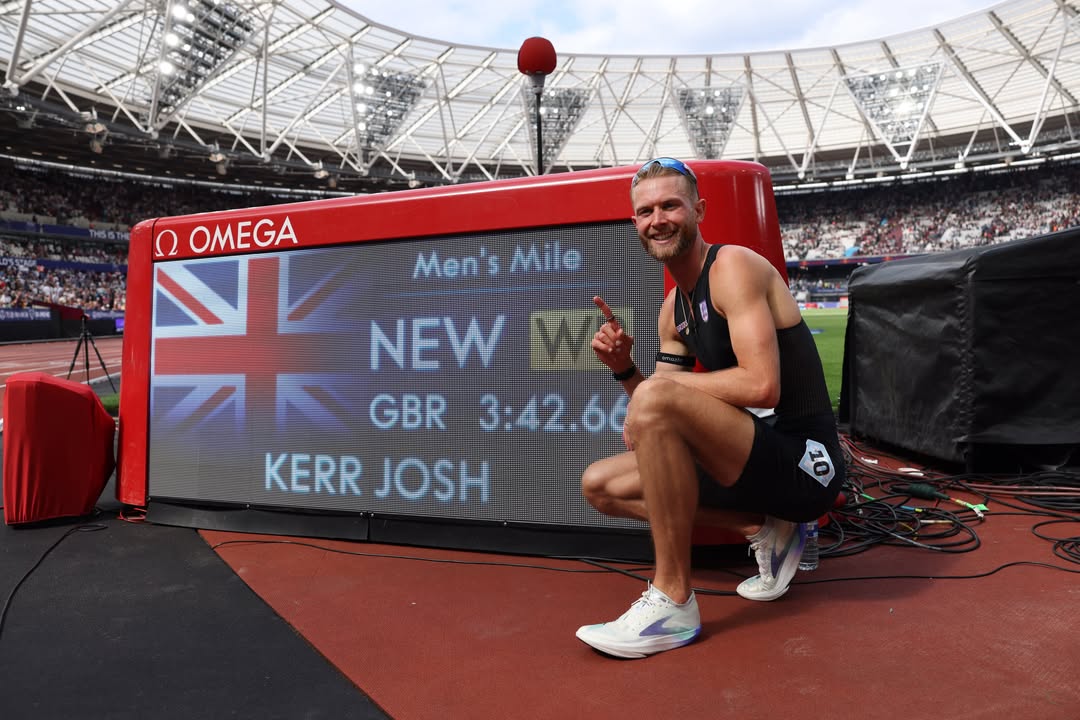
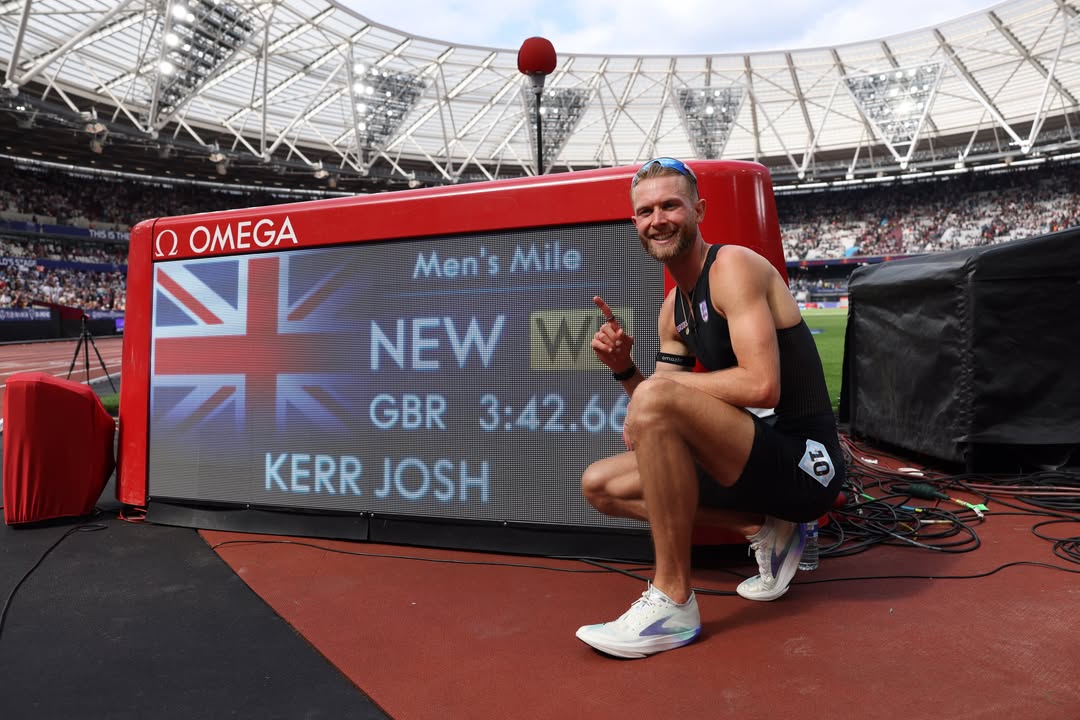
Josh Kerr's 1600m pace is a figure that many runners find hard to fathom. His mile record of 3:42.66 means he is running close to 55 seconds every 400 meters.
The official mile distance is 1609 meters, slightly longer than 1600 meters. When converted, Kerr's pace translates to roughly 3:41.37 for 1600 meters.
This number paints an extreme picture of the speed of elite world athletes. For Indonesian 5K runners, this pace is not just fast; it’s almost like a long sprint.
Conversion of Josh Kerr's 1600m Pace
A time of 3:42.66 for a mile results in a pace of about 2:18 per kilometer. At the same pace, a 5K would be finished in about 11 minutes and 32 seconds.
In the world of middle-distance running, lap consistency is key. Kerr is not only fast but is also able to maintain a high pace without sharp drops in speed.
| Parameter | Estimated Value | Meaning for 5K Runners |
|---|---|---|
| Mile Time | 3:42.66 | World-class speed |
| Equivalent 1600m | 3:41.37 | Average 55.3 seconds per 400m |
| Pace per km | 2:18/km | Faster than elite national 5K pace |
| Projected 5K | 11:32 | Faster than the general human 5K standard |
Josh Kerr's Mile Record Splits
Kerr's splits show a highly controlled running pattern. He passed 400m in 55.3 seconds and 800m at 1:51.1.
At 1200m, his time was 2:46.39. He then crossed the 1500m mark in 3:27.62 before finishing the mile at 3:42.66.
- 400m: 55.3 seconds
- 800m: 1:51.1
- 1200m: 2:46.39
- 1500m: 3:27.62
- Final 409m: around 56.3 seconds
This rhythm demonstrates high efficiency. Josh Kerr's 1600m pace does not come from a sudden burst but from energy control.
Comparison with Indonesian 5K Runners
Recreational 5K runners in Indonesia often run at paces of 5:00 to 7:00 per kilometer. Sub-20-minute runners clock in at a pace of about 4:00 per kilometer.
Highly competitive 5K runners can finish in about 15 to 16 minutes. That means their pace is around 3:00 to 3:12 per kilometer.
| 5K Runner Category | 5K Time | Pace per km | Distance from Kerr |
|---|---|---|---|
| Recreational | 30:00 | 6:00/km | Much slower |
| Sub-25 | 25:00 | 5:00/km | Still a significant difference |
| Sub-20 | 20:00 | 4:00/km | Very fast for amateurs |
| National Competitive | 15:00 | 3:00/km | Still slower than Kerr |
| Kerr's Pace | 11:32 | 2:18/km | Super elite level |
This comparison does not mean that 5K runners should strive for these numbers. The goal is to understand the scale of speed among elite mile athletes.
Why Can Kerr Maintain Such a Sharp Pace?
Kerr utilizes Wavelight pacing to maintain rhythm. This technology helps runners adhere to target tempos with greater precision.
According to training sources discussing Kerr's approach, rhythm preparation is done long before the race day. You can read more about it in Josh Kerr's training analysis.
Great speed is born from rhythm trained repeatedly, not from sudden improvisation.
Such training demands strong aerobic capacity, leg strength, and high lactic tolerance. Athletes must also be able to remain relaxed as their bodies start to tense up.
Lessons for Indonesian 5K Runners
Josh Kerr's 1600m pace is indeed beyond the reach of most runners. However, the principles of his training can still be safely emulated.
5K runners can learn to maintain a steady pace rather than always chasing a fast start. This strategy helps the body conserve energy until the final kilometer.
- Train with short intervals, such as 8 x 400m with measured rest.
- Use tempo runs to build lactate threshold.
- Record splits every kilometer during 5K training.
- Maintain efficient step technique when fatigued.
- Gradually increase training volume.
This comparison makes the 3:41 figure for 1600m feel more tangible. In the end, Josh Kerr's 1600m pace can serve as inspiration, not a burden.