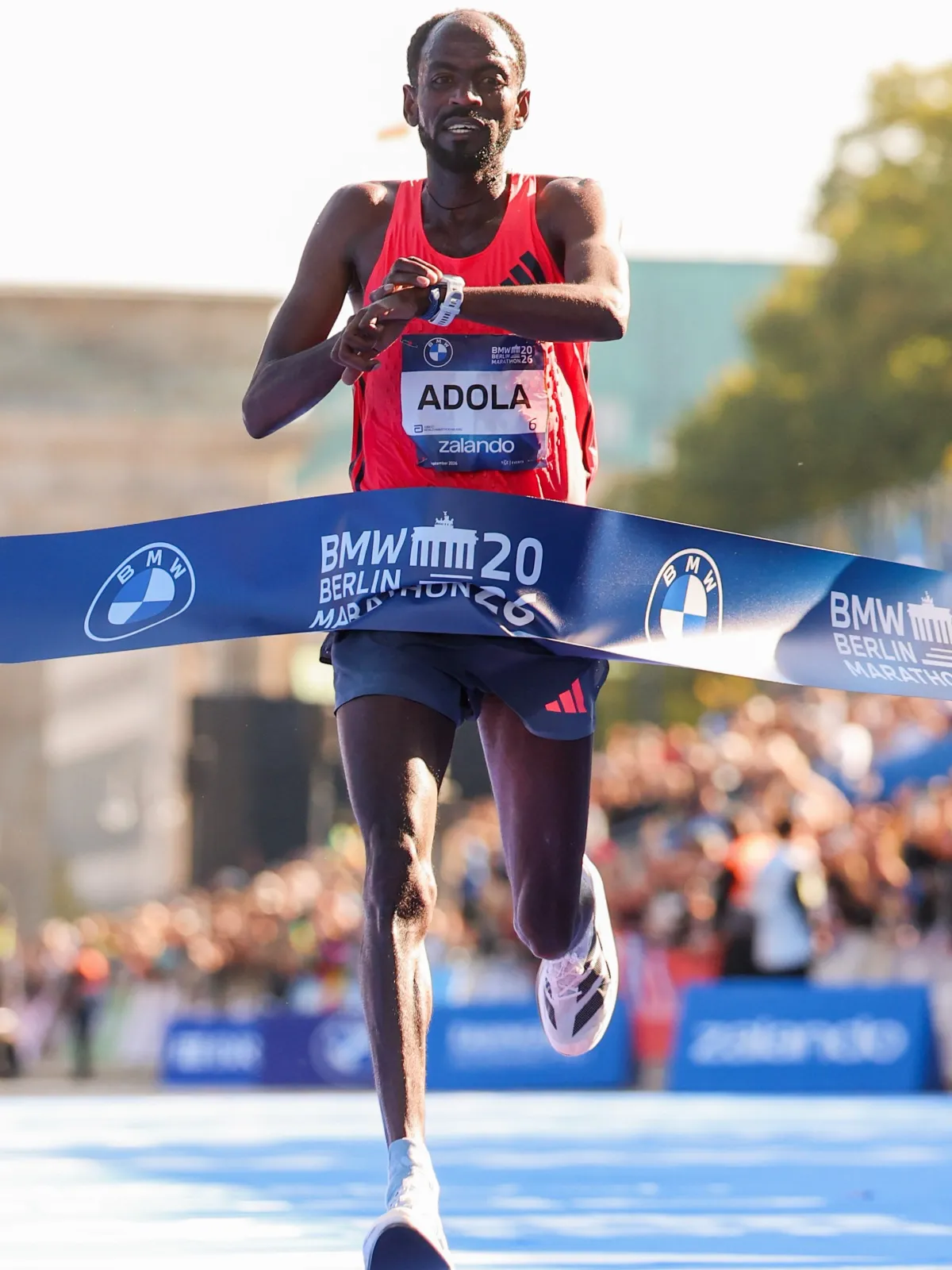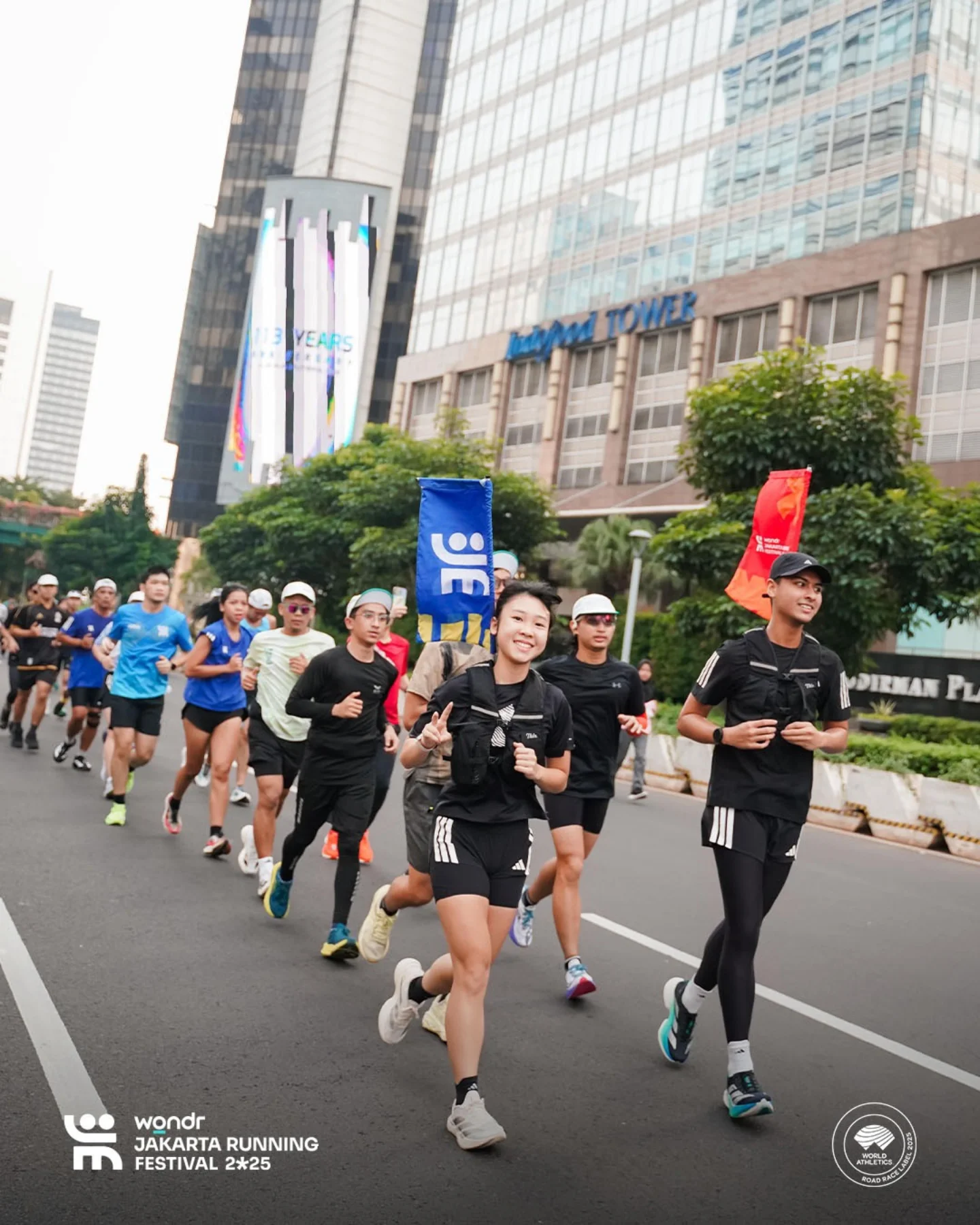
Promoting a running event should begin before potential participants see the registration posters. The public needs a strong reason to choose your event.
Effective promotion combines an engaging message, easy registration access, and community support. The following seven strategies help organizers reach participants more effectively.
1. Start Promoting the Running Event Early
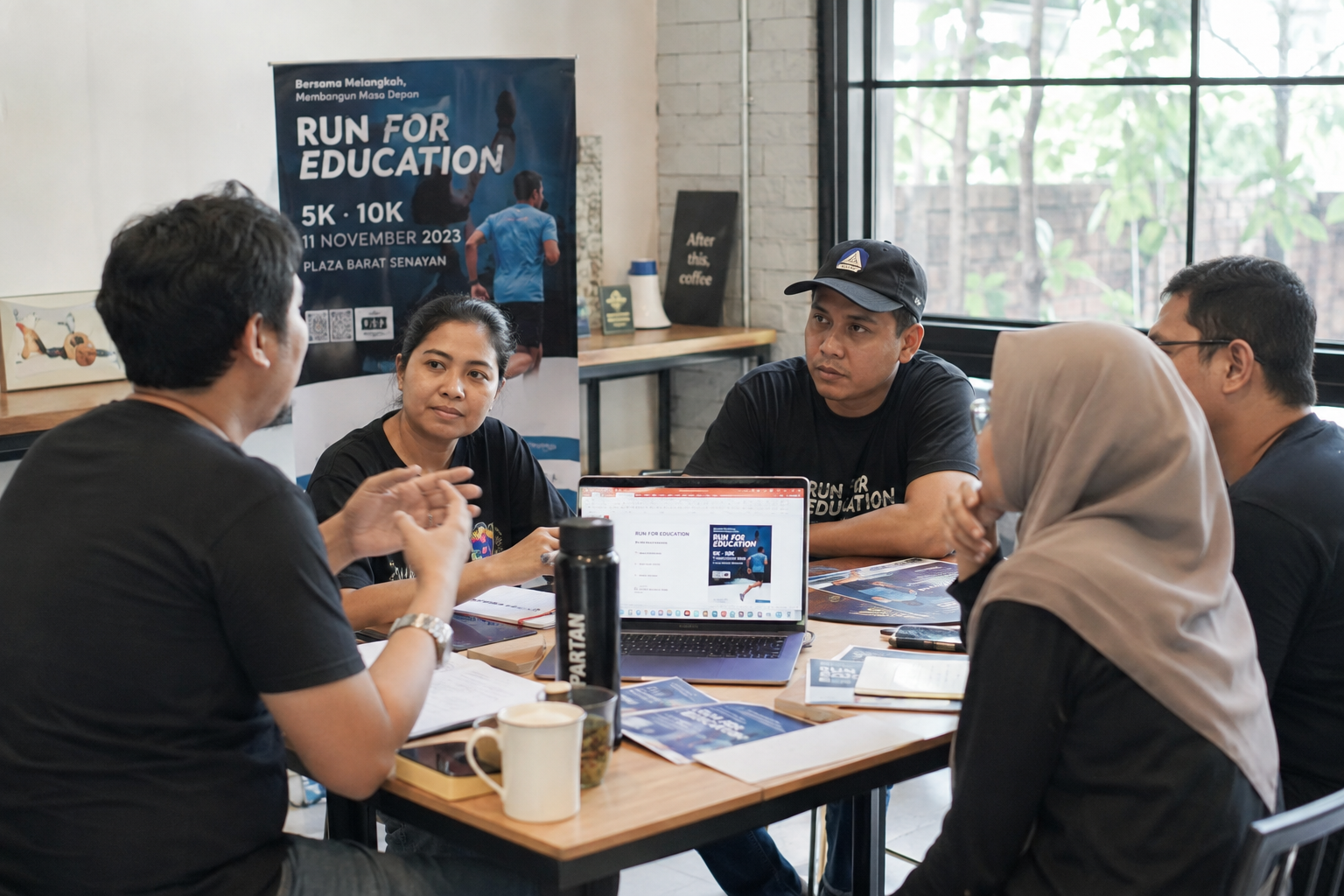
Begin communication at least a few weeks before registration opens. This stage builds anticipation without immediately forcing the audience to buy tickets.
Share hints about the route, theme, categories, or participant facilities. Use a content calendar to ensure consistent publication across all channels.
- Introduction phase to announce the theme and date of the event.
- Education phase to explain the route, facilities, and participant experience.
- Registration phase to communicate pricing and quota limits.
2. Simplify the Participant Registration Process
Potential participants may lose interest if the form is too lengthy. Create a concise registration page that is quick and easily accessible via mobile.
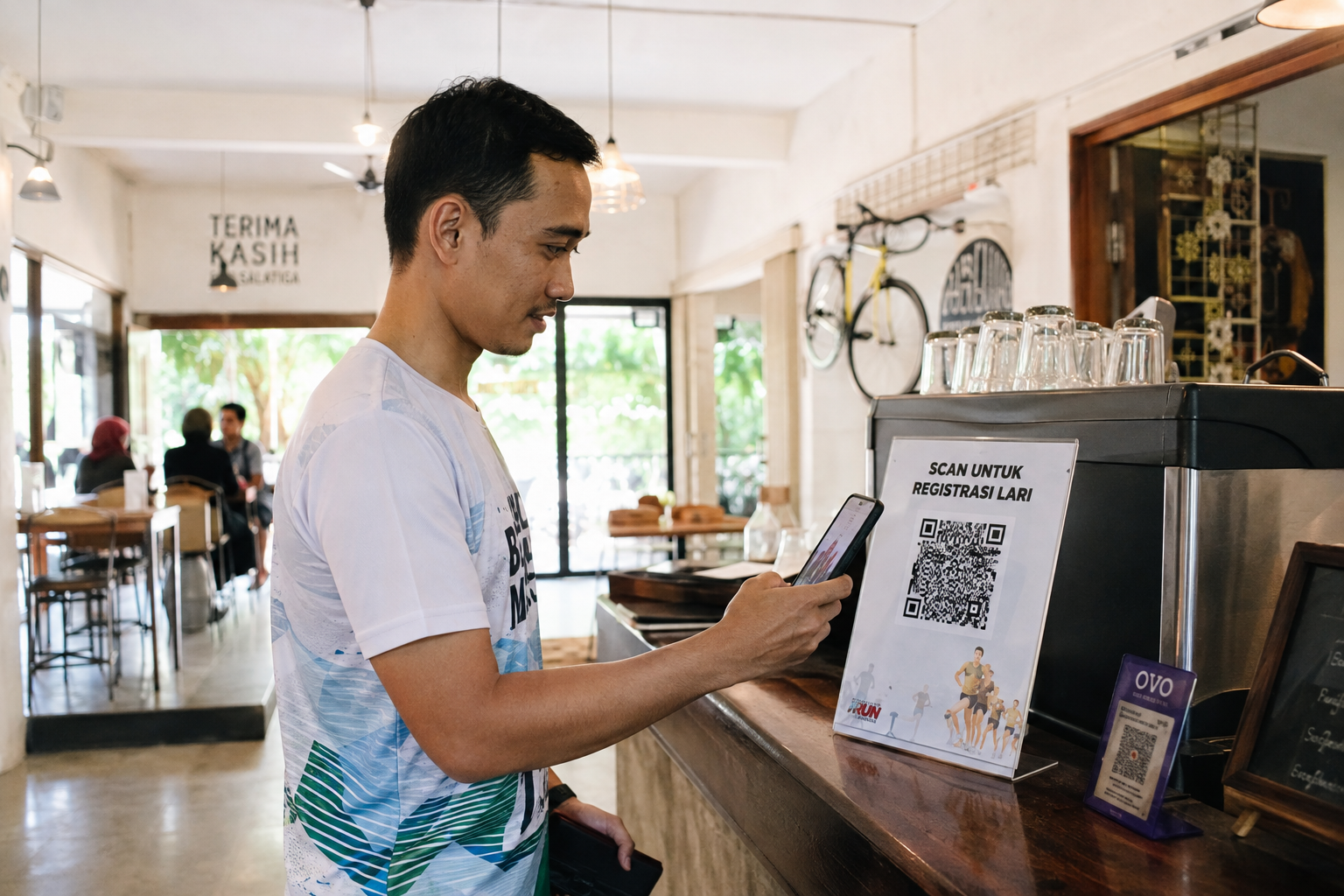
Place links on social media profiles, emails, posters, and the event website. Add QR codes to print materials to shorten the registration journey.
3. Build a Strong Story and Visual Identity
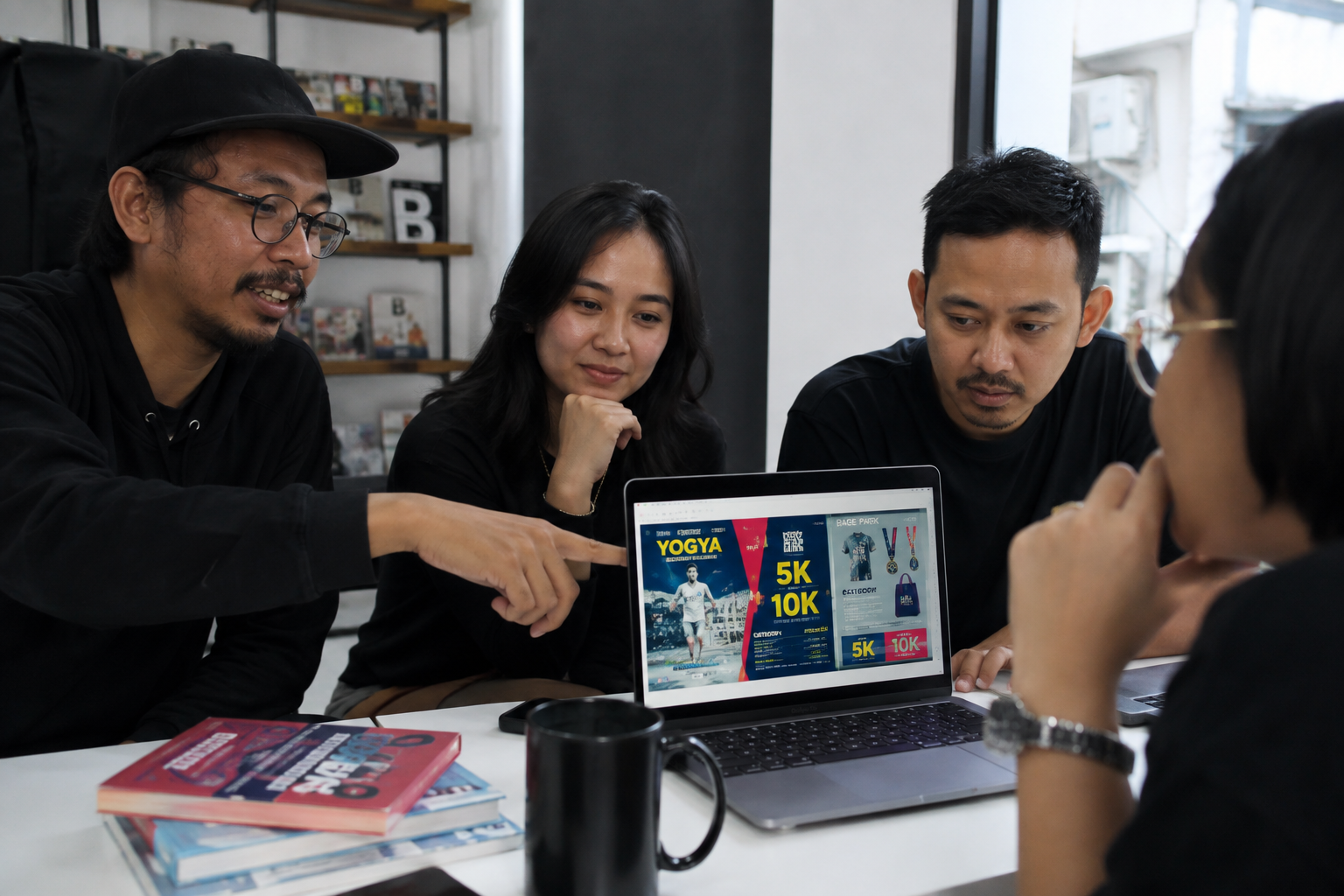
Participants are not just buying a race slot. They are also seeking an experience, pride, and connection with the community.
Tell the story of why the event exists and its impact on the city or beneficiaries. Apply consistent colors, logos, and photography style.
Understand the concept of strategy before selecting promotional channels. Each piece of content should support a clear registration goal.
4. Engage the Running Community and Local Businesses
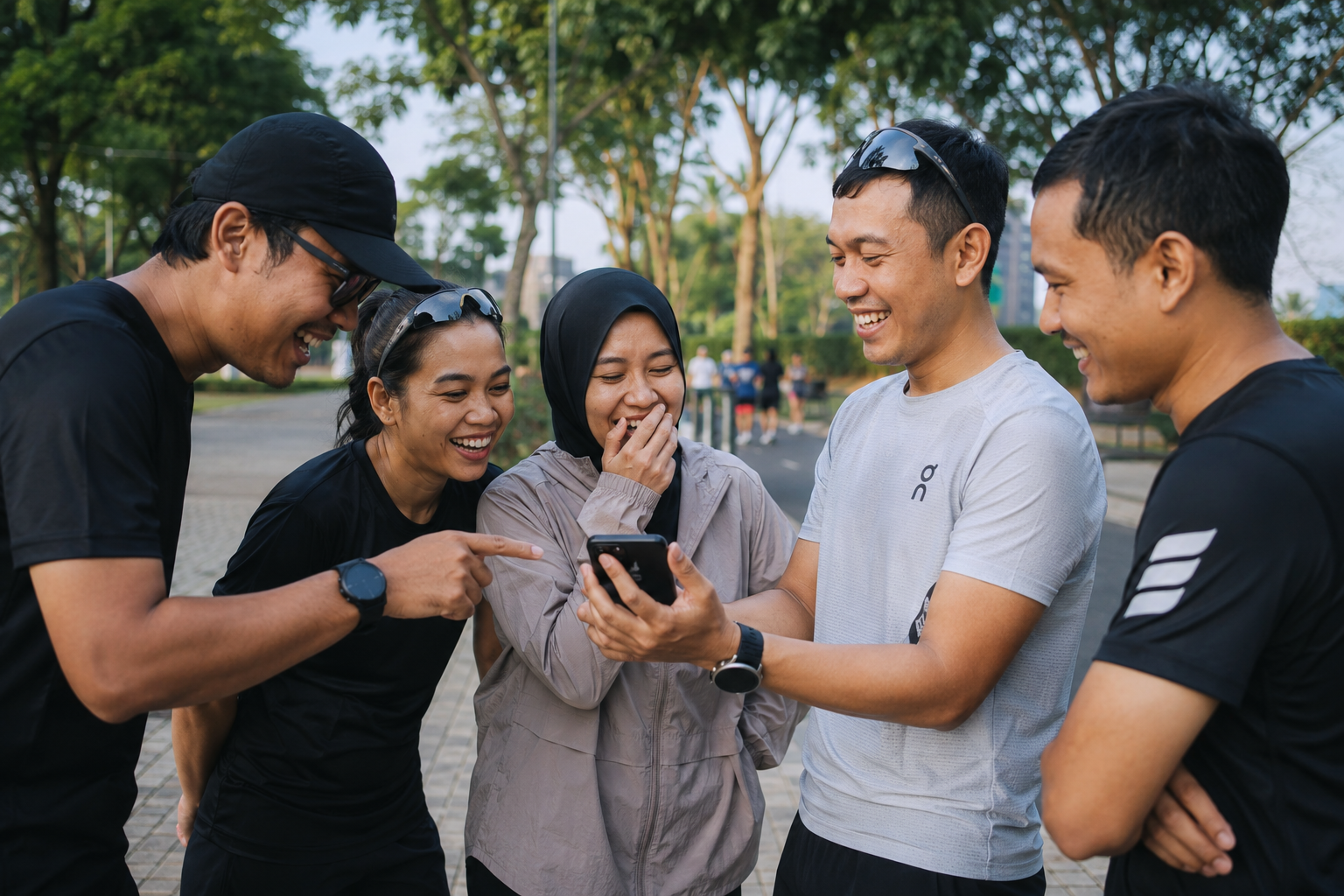
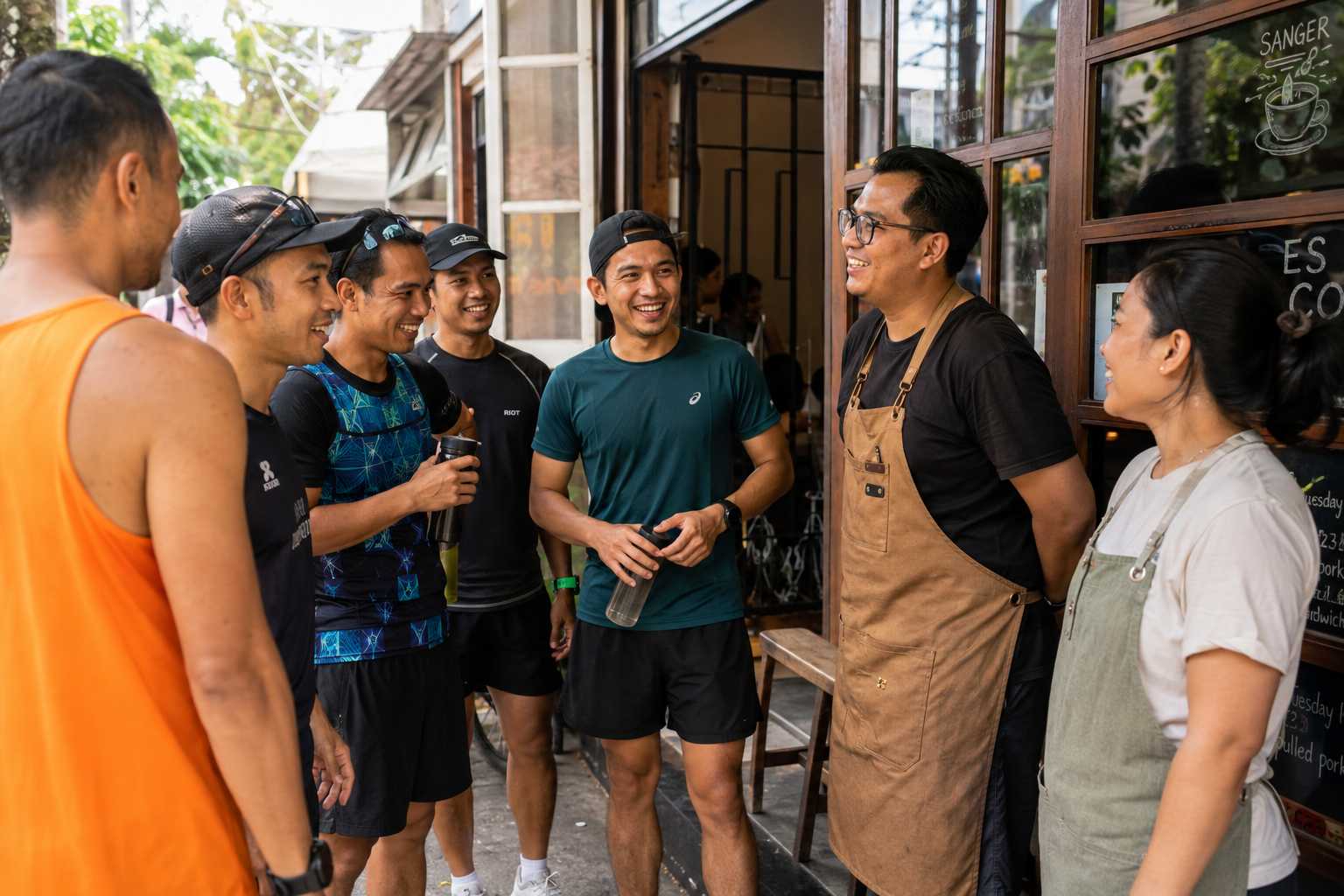
The running community has a trust that advertisements cannot easily replace. Invite community leaders to try the route or attend training sessions together.
This promotional strategy can also involve cafes, sports stores, gyms, and social partners. Offer balanced benefits for each collaborator.
| Collaboration Channel | Main Role | Indicator |
|---|---|---|
| Running community | Disseminate information to members | Link visits |
| Local businesses | Display posters or QR codes | Code scans |
| Social partners | Reinforce the story and event impact | Content interactions |
5. Showcase Participant Stories Authentically

Participant stories make promotions feel more relatable. Highlight beginner runners, senior participants, volunteers, or individuals with inspiring journeys.
Use natural photos and brief quotes from the sources. Ask for permission before publishing stories on social media or the event website.
“I registered not to chase the podium, but to complete my first five kilometers.”
6. Run a Referral Program with Relevant Incentives
Satisfied participants can be the most convincing promoters. Provide unique referral codes to make it easy for them to invite friends and family.
Incentives don’t have to be large discounts. Organizers can offer merchandise, free photos, exclusive access, or chances to win prizes.
Set simple and transparent requirements. Track the number of invitations, successful registrations, and incentive costs during each period.
7. Use Measurable Digital Advertising
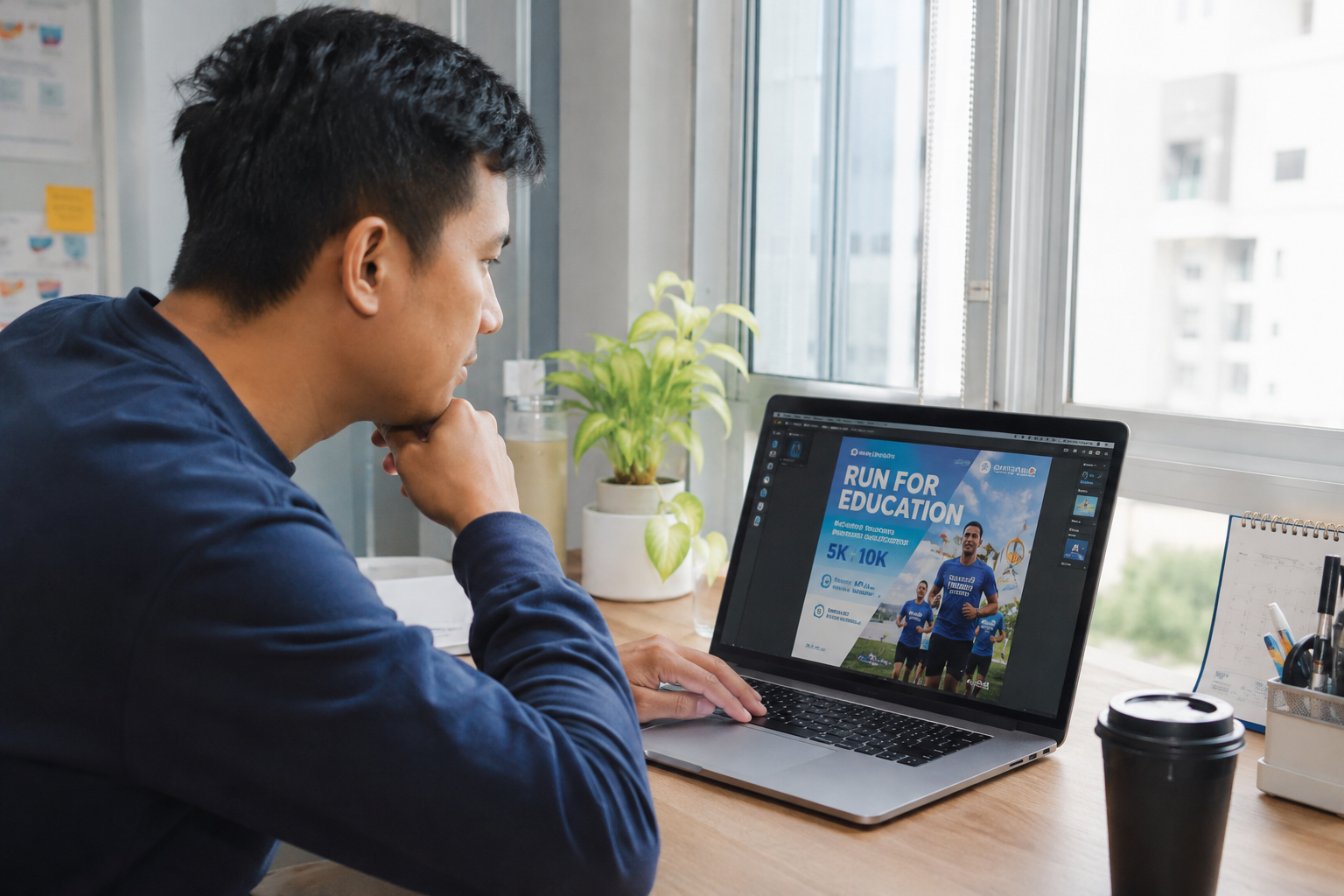
Digital advertising helps organizers reach runners based on location, interests, and habits. Use headlines that directly explain the main benefits.
Select local keywords, such as the nearest 5K race or weekend running event. Tailor keywords to the city and race category.
Test various visuals, messages, and calls to action. Stop underperforming ads and reallocate the budget to the best-performing materials.
Keep track of registration sources to ensure evaluations are not based on estimates. This data will refine future running event promotional strategies.