
What is double threshold often becomes a question after the Norwegian method gained popularity among runners. This training combines two controlled threshold sessions in a single day.
The goal is not to pursue maximum fatigue, but to increase the volume of quality training. The intensity should remain controlled so the body can recover and adapt.
How Double Threshold Training Works

This method was popularized by Norwegian runners and coaches, including Marius Bakken. The approach uses lactate data to maintain the intensity of each repetition.
The first session typically takes place in the morning, followed by the second session in the afternoon. This break allows time for eating, resting, and recovering energy.
- The morning session may use longer intervals at a controlled pace.
- The afternoon session can incorporate shorter repetitions without turning into sprints.
- Warm-up and cool-down should be performed in each session.
- Speed must remain steady from the first repetition to the last.
Correct Lactate Threshold Intensity
Understanding what double threshold is requires knowledge of lactate threshold. Training generally occurs between the aerobic threshold and the second lactate threshold.
Runners should avoid excessive intensities that accelerate lactate buildup. Lactate measuring devices assist elite athletes, while recreational runners can use heart rate.
| Component | Common Practice | Goal |
|---|---|---|
| Low-Intensity Running | 75–80% weekly volume | Build aerobic capacity |
| Light Running Heart Rate | 62–82% HRmax | Keep the load light |
| Threshold Training | 2–4 sessions per week | Improve sustained speed |
| Threshold Heart Rate | 82–90% HRmax | Control work intensity |
| Elite Runner Volume | 120–180 kilometers per week | Support high-level adaptation |
These figures represent the practices of elite runners and are not mandatory targets. Volume should adjust according to the runner's experience, health condition, and recovery ability.
Benefits of the Norwegian Method for Running Performance
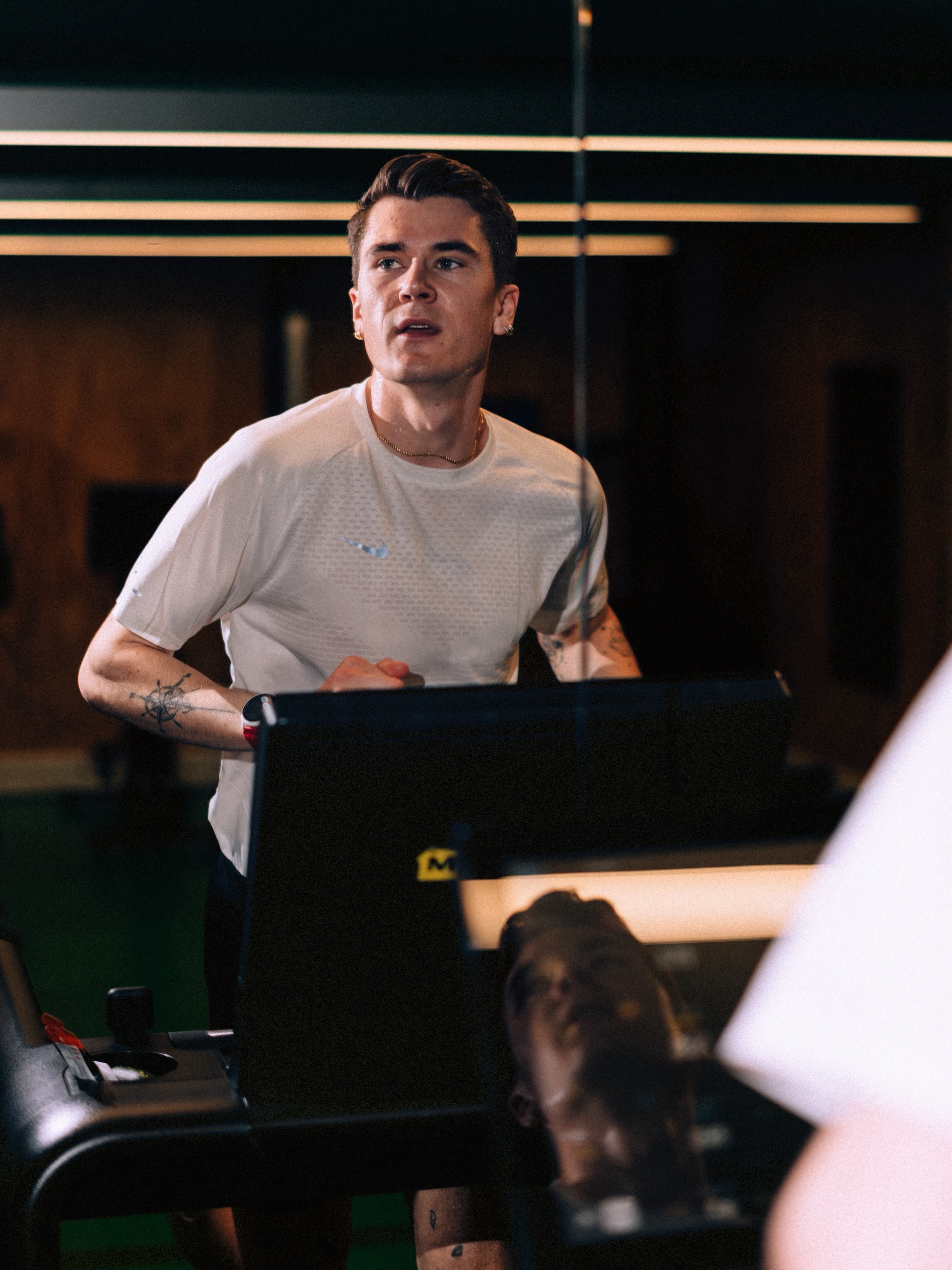
Double threshold helps runners accumulate more time at productive intensities. This load can improve the body's ability to clear and recycle lactate.
Consistent training also enhances aerobic efficiency and anaerobic threshold speed. Runners can maintain higher speeds without quickly losing control.
- Increased quality volume without always adding high-intensity sessions.
- Improved speed control since each repetition requires discipline.
- Specific endurance develops through measurable aerobic workload accumulation.
- Fatigue risk can be reduced when intensity and recovery are managed correctly.
Example Double Threshold Schedule for Experienced Runners

Experienced runners may opt for longer intervals in the morning. The afternoon session uses shorter repetitions with similar effort and controlled rest.
The following example is not a universal program and needs adjustment. Runners should reduce volume when speed, technique, or physical condition starts to decline.
- Morning: warm-up, six repetitions of six minutes, then light cool-down.
- Rest: consume carbohydrates, protein, fluids, and take a short nap if possible.
- Afternoon: warm-up, ten repetitions of three minutes, then cool-down.
- Next day: very light run or complete rest.
The pace of each repetition should feel strong but remain controlled. Runners do not need to sprint in the final part of the session.
Common Mistakes and How to Train Safely

The biggest mistake is viewing the two sessions as two maximal tempo workouts. This approach increases fatigue and may disrupt training for several days afterward.
Beginner runners should not immediately mimic the volume of elite athletes. Build an aerobic foundation, sleeping habits, and training tolerance before adding a second session.
- Include light days before and after double threshold training.
- Monitor heart rate, perceived effort, sleep quality, and soreness.
- Stop the session when running technique deteriorates or heart rate increases abnormally.
- Start with one threshold session before attempting two sessions in a day.
Additional technical explanations are available through Marius Bakken's guide to double threshold. Use this information alongside guidance from a coach who understands your training history.
Record your pace, heart rate, and body responses weekly. Personal data helps clarify what double threshold is in the context of your training needs.