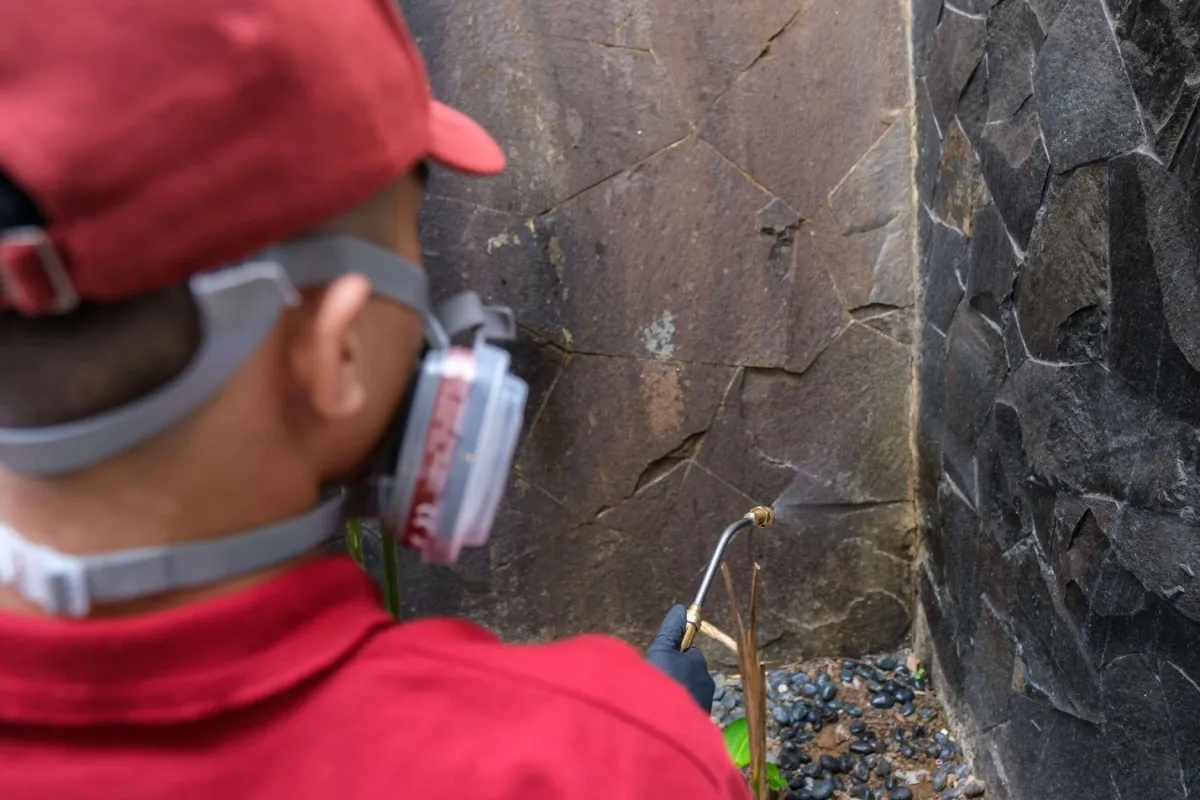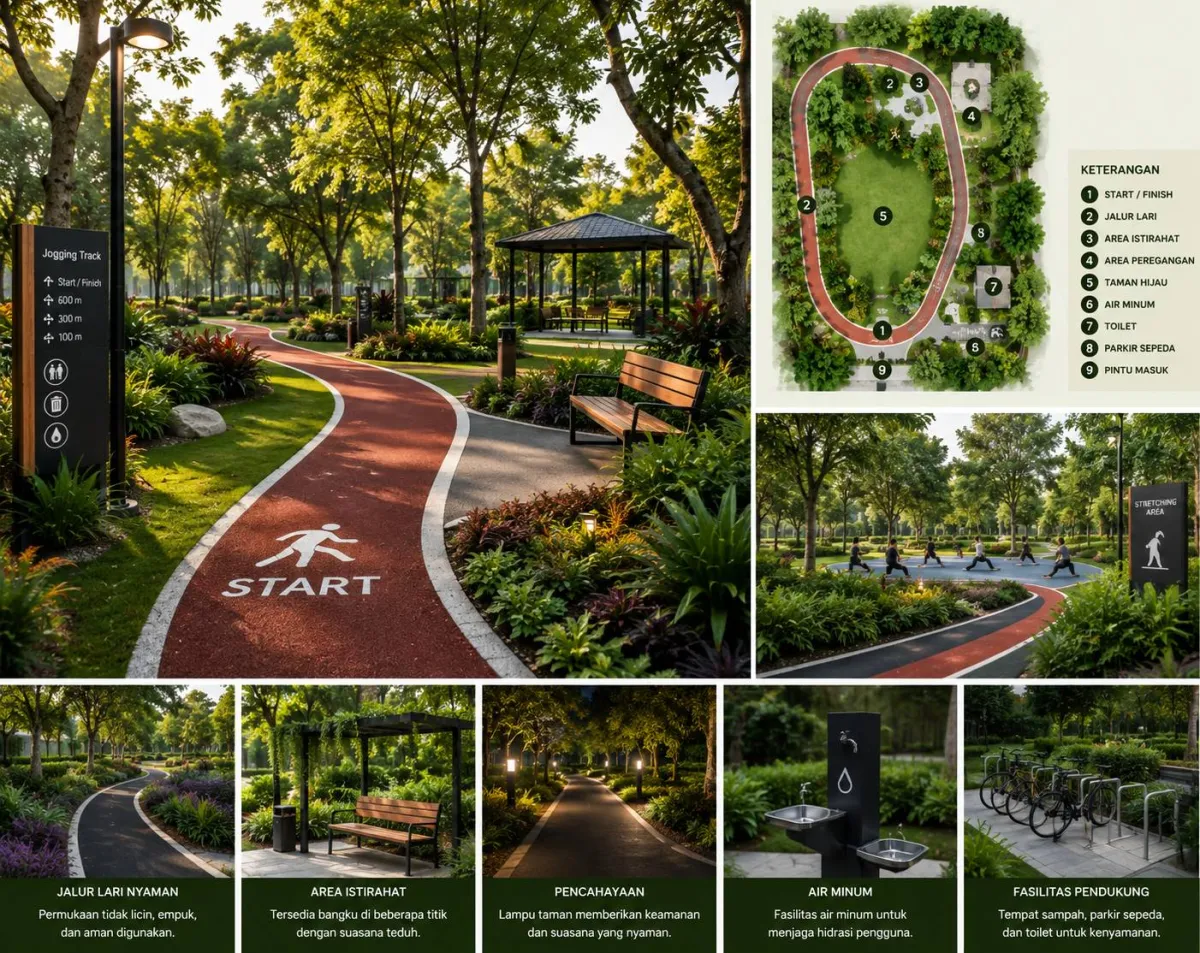
Picture this, you’re settling into a long stretch in a Bali villa, the guest asks for a quick clean again, drains start to smell faintly, and tiny bugs show up right after a rainy week.
In a long term villa rental bali, maintenance is different from turnover cleaning. You are not starting fresh every time, you are keeping conditions stable, especially in bathrooms, kitchens, laundry areas, and the spots guests never notice.
That’s where water-safe cleaning and pest-resilient prevention work best as one system. Moisture control, waste timing, and consistent routines usually beat “stronger chemicals,” because pests thrive on dampness, food sources, and hiding places.
If you want a solid place to start your planning, you can compare options at villa rental long term, then build the routine that supports your specific stay.
Next, we’ll define what “water-safe” and “pest-resilient” actually mean in practice, so your cleaning choices have a clear target.
What water-safe, pest-resilient really means
Water-safe cleaning
Water-safe cleaning means you keep the villa clean without creating risky runoff, residue buildup, or damage to common surfaces like tile or stone (especially around bathrooms, kitchens, and laundry areas). It also means you treat drains as part of the cleaning system, not an afterthought, so odors do not slowly return between visits.
In a long term villa rental bali routine, this is mostly about smart technique and steady dilution, not “stronger is better.” For example, when you handle a bathroom floor or a shower drain, you focus on targeted scrubbing and proper waste disposal so you do not push grime deeper or leave sticky films behind.
Pest-resilient cleaning
Pest-resilient cleaning means your cleaning routine makes it harder for pests to find food, moisture, and shelter over time. In villas, that usually comes from sanitation that breaks the food chain (kitchen counters, sink areas, storage shelves) and from habits that remove what pests use as hiding places.
Think of it like this: you are not just cleaning what guests can see, you are cleaning what pests can use. A practical example is keeping an eye on trash areas, under-sink corners, and laundry nooks right after rainy weeks, because pest activity often follows moisture spikes.
Moisture control
Moisture control is the quiet backbone of both water safety and pest prevention. When bathrooms stay damp, when drains stay slow, and when water lingers around outdoor entry points, pests get a reliable environment to survive.
In practice for a long term villa rental bali setup, moisture control includes managing water flow, drying surfaces where it counts, and watching for early warning signs like persistent damp smell. You do not need constant heavy chemical use, you need fewer “wet opportunities” for pests.
Waste and food-source prevention
Waste and food-source prevention means you reduce the material that pests feed on, breed in, or use as nesting material. This includes garbage routines, food storage discipline, and how you handle dishwashing, kitchen crumbs, and laundry residues.
For a simple example, if trash sits too long or bins leak, you create an easy buffet. Fixing that habit supports pest resilience more reliably than scrubbing harder after the fact.
Hidden-zone hygiene
Hidden-zone hygiene is cleaning and checking the spots guests rarely look at, like behind appliances, under sinks, window tracks, storage corners, and edges where walls meet tiles. These areas are where residues collect and where pests can hide between routine visits.
Once these terms are clear, the next step is to see how they connect into one day-to-day workflow, so your system actually runs smoothly from month 1 through month 12.
How the routine works day to day
“Clean-to-dirty movement is what keeps your effort from turning into recontamination,” is the simple mindset that makes this work long-term.
1. Zone the villa before you clean
Start by mentally dividing the villa into wet zones, high-touch zones, and hidden zones. Bathrooms, kitchens, and laundry areas belong to the wet side. Door handles, switches, and remote controls belong to high-touch. Under-sink spaces, storage corners, and appliance edges belong to hidden zones.
Why order matters, the first few minutes set the tone. If you jump between zones, you can spread moisture and soil, which later becomes the perfect setup for pests. For a long term villa rental bali operation, zoning keeps water-safe cleaning consistent and prevents “cleaning everything everywhere” chaos.
2. Do a quick daily reset
A short daily reset is how you avoid buildup. Focus on visible crumbs, trash handling, sink areas, and quick wipe downs where guests touch things most. The goal is not deep scrubbing, it is stability.
When you keep waste moving and surfaces drier, you remove two big pest triggers, moisture and food sources. This is especially helpful after a rainy week, when indoor humidity can climb even if nothing looks wet.
3. Sanitize and target weekly hotspots
Each week, you sanitize hotspots that usually fail first, shower drains, grout and tile edges, kitchen worktops, and around garbage storage. Use the same workflow every time, so you do not create random gaps.
This step supports both water safety and pest resilience. Targeting drains and sanitation flow reduces odors and prevents residue from building up in places pests like to hide.
4. Prevent pests through moisture and waste timing
Timing beats force. Empty bins consistently, handle laundry promptly, and dry surfaces that stay damp. If your waste or laundry sits too long, pests get uninterrupted access to what they need.
Also, watch outdoor entry points. Standing water near doors or patios can feed the cycle. For long stays, small timing habits keep pest pressure low without overusing harsh chemicals.
5. Audit hidden zones on a monthly cadence
Monthly, audit the spots that do not get attention daily. Check under sinks, behind appliances, window tracks, storage shelves, and any slow-draining areas. Look for dampness, residue, and early signs of activity.
When you find issues early, you stop them before they multiply. A consistent audit is what makes the routine resilient across 6 to 12 month stays.
Once the workflow makes sense, the next step is setting up a real schedule you can maintain for months, even during rainy seasons and busy occupancy.
Set it up with a 6, 12 month schedule
Imagine moving in on day one, knowing the rainy weeks and busy periods will come later, and your cleaning system still stays steady without panic fixes.
✅ Move-in inspection and hotspot map
Walk the villa like a detective. Note where water collects (shower corners, floor edges, laundry areas), where drains act slow, and where pests are likely to hide (under-sink, behind appliances, storage shelves, outdoor entry points).
Then map zones so every task has a home. This matters for a long term villa rental bali routine because the first month sets the standard for month two through month twelve.
-
Mark wet zones, high-touch zones, and hidden zones
-
Check drains, grout lines, and window tracks for early issues
✅ Build your water-safe product plan
Choose an approach that supports water-safe cleaning and protects surfaces like tile or stone. Keep it simple and repeatable, so you do not improvise when someone’s tired or the weather changes.
Focus on technique first, like targeted cleaning and controlled runoff, then match it to the spaces that matter most, bathrooms, kitchens, and laundry areas.
-
Define what “good” looks like on floors, counters, and drains
-
Plan how you dispose of waste so it does not recirculate into the villa
✅ Put pest prevention on a routine calendar
Schedule pest resilience around moisture and waste timing. That means consistent garbage handling, prompt laundry attention, and drying surfaces that stay damp longer than they should.
Maintenance is also about monitoring. Quick checks like odor, visible residues, and drain behavior tell you if your prevention work is actually holding.
-
Set weekly hotspot sanitation targets
-
Log anything recurring, then escalate only when patterns repeat
✅ Run daily and weekly tasks without burnout
Daily tasks should feel small and finishable, not a second job. Batch your cleaning by moving from clean-to-dirty so you do not spread soil and increase indoor humidity while you work.
Weekly tasks can be more thorough, but still follow the same workflow logic. Consistency is what keeps pests from adapting to your routine.
-
Batch similar tasks together to reduce recontamination risk
-
Keep waste and laundry handling on tight timing during high humidity periods
✅ Do monthly quality checks and adjust for seasons
Once a month, audit hidden zones. Look under sinks, behind appliances, around storage, and along edges where tiles meet walls. Use your notes to refine the cadence, especially during rainy season and higher occupancy.
This setup becomes your baseline, and the final section will help you avoid the most common ways people accidentally break the system.
-
Check hidden zones for dampness, residue, and early signs of pests
-
Adjust the schedule based on weather and usage changes
Common mistakes that ruin your routine
One deep clean at the start is enough
A one-time deep clean feels like control, so it is tempting to “set and forget” for the whole 6 to 12 month stay. But pests and odors do not care about your schedule calendar, they follow moisture, waste, and hidden conditions.
When you skip continuity, you often see drain smells return and pests reappear after rainy weeks. The fix is consistent workflow and monthly hidden-zone checks, not a bigger initial scrub.
Stronger chemicals equal better hygiene
People reach for harsher products when they see grime, thinking more strength means faster results. In villas, that can leave residues on surfaces and increase cleanup effort later.
Instead, water-safe cleaning and sanitation flow matter more. You reduce risk and prevent persistence by controlling moisture and waste timing, especially around bathrooms, kitchens, and laundry areas.
Scrubbing harder fixes pest problems
Scrubbing can remove what you see, but it does not automatically remove the conditions pests use. If drains stay slow or standing water lingers, activity keeps coming back.
Common result, repeated guest complaints and a cycle of “clean then relapse.” Focus on moisture control and waste discipline, then monitor odor and drain behavior.
Do pests only matter if you see them
If you do not spot insects, you might assume prevention is unnecessary. In reality, pests often start in hidden-zone harborage where you do not notice immediately.
That is how small issues grow into bigger ones, under-sink dampness, storage buildup, and recurring odors. Follow hidden-zone hygiene and log patterns, then escalate when they repeat.
Drains are just plumbing, not a hygiene hotspot
Drains carry water, grime, and odor sources, so they act like a quiet breeding and retention point. Ignoring them breaks both water safety and pest resilience.
When drain care is inconsistent, smell returns and pests become more frequent. Treat drains as part of your routine system, not occasional repairs.
Inconsistent supplies do not matter
When products or tools run out, work gets rushed and the order breaks down. That is when clean-to-dirty movement fails and recontamination spreads.
After that, guests notice residue and recurring issues. Keep your supplies predictable so the routine stays consistent month after month.
Waste handling is someone else’s job
If garbage timing and laundry handling are treated as “later,” waste becomes a food source and moisture keeps conditions favorable for pests.
Typical consequence, bad odors, more activity, and harder cleanups. Make waste timing part of daily and weekly cadence in your long term villa rental bali routine.
Water-safe means “no cleaning”
Water-safe does not mean you stop cleaning. It means you clean in a way that protects surfaces and manages runoff and wastewater risk while keeping hygiene effective.
When people misunderstand it, they under-clean wet zones and drains. Stay water-safe by using your workflow logic, then maintain it consistently.
Your next steps for a smoother long stay
Consistency beats chaos every time. If you keep water-safe cleaning, moisture and waste control, and pest-resilient habits working together, your villa stays comfortable from month 1 to month 12.
This is the integrated loop, you sanitize the right zones, you manage dampness and garbage timing, and you monitor early warnings like odor and drain behavior. Then you adjust based on what you see, not guesswork.
Do these 3 actions in the next 24 to 48 hours, so your long term villa rental bali plan becomes real: map your zones and hotspots, lock in your daily and weekly cadence, and start a simple 30-day log.
Once that is in place, the last step is to watch for patterns and maintain the routine so it keeps working, and if you want to explore options for a long stay visit balivillahub.com.